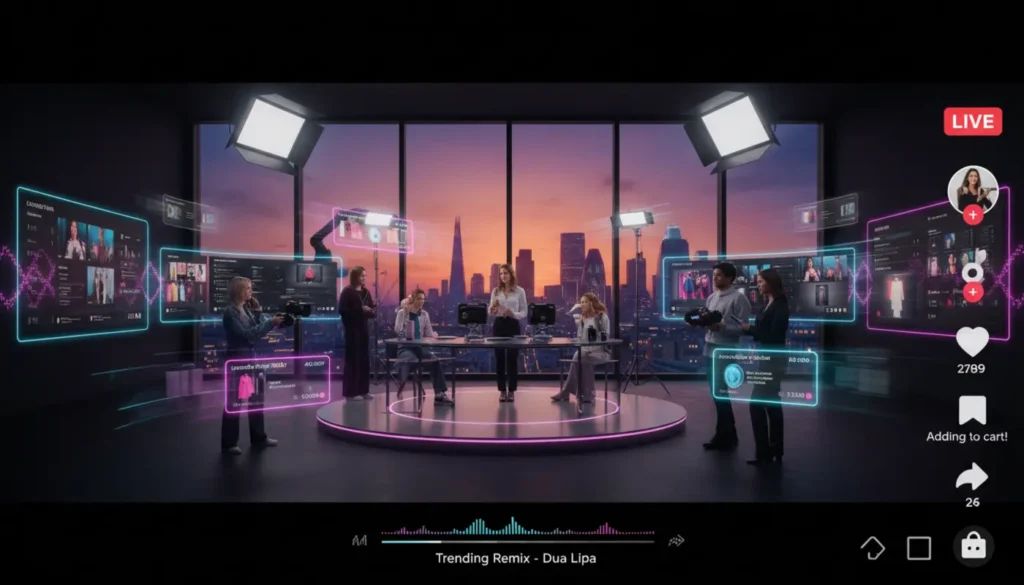
You can increase your TikTok Shop conversion rate by making the buying journey clear, trusted, quick, and easy to act on. That means your video hook, product listing, live room, offer, and checkout message should all lead the shopper towards one simple next step: buying with confidence.
Views are useful, but orders pay the bills. If people watch your content and do not buy, it does not always mean the product is wrong. In most cases, it means there are small gaps in the journey that make shoppers pause, compare, or leave.
Start by fixing two things early: your message and your buying path. At TSLA, we help brands improve both through practical TikTok Shop strategy, live selling support, and conversion focused execution, so the traffic you already have can work harder.
7 Ways To Increase Your TikTok Shop Conversion Rate
A TikTok Shop conversion rate shows how many product page visitors become buyers. The simple formula is orders divided by product views, then multiplied by 100. For example, if 100 people buy from 5,000 product views, your conversion rate is 2 percent.
There is no perfect number for every brand. Beauty, fashion, homeware, gadgets, and food products all behave differently. As a practical target, many sellers first aim to move above 1.5 percent, then improve by product, traffic source, price, and offer.
Do not judge performance by likes alone. Track product clicks, add to basket, checkout starts, purchases, and average order value. If you want a practical second pair of eyes on your sales led content and live selling, TSL Agency can help you turn TikTok attention into measurable revenue.
Fix The Flow From Video To Product Page
The fastest way to lose a buyer is to say one thing in the video and show something different on the listing. If your video says the product is under £20, but the checkout total feels much higher after delivery, shoppers may feel misled and leave.
Your TikTok video, product title, first image, price, deal, and checkout message should all tell the same story. If the video focuses on sensitive skin, the listing should lead with that benefit instead of hiding it halfway down the description.
A simple check is to watch your top three videos, then open the linked product page as if you were a customer. If the reason to buy is not clear within a few seconds, rewrite the listing before spending more on traffic.
Turn Listings Into High Converting Product Pages
Your TikTok Shop listing is not just a place to hold product information. It is the page that helps an interested shopper decide whether to buy now or keep scrolling.
Lead your title with the product keyword and main benefit. Keep it clear rather than clever. A title like Hydrating Lip Oil With Gloss Finish works harder than a vague brand name that means little to a new buyer.
Your first image matters because it appears in shopping feeds and product previews. Use a clean, bright image that shows the item clearly. Then add lifestyle shots, close ups, size context, and a simple image showing what is included.
Your description should focus on outcomes, not only features. Instead of only saying contains vitamin C, explain what that can mean for the customer, such as brighter looking skin or a fresher morning routine.
Move common questions near the top. Mention delivery, returns, fit, sizing, ingredients, compatibility, or care instructions before the buyer has to search for them. Good product page optimisation removes doubt before it grows.
Build Social Proof That Helps Buyers Trust You
Social proof improves TikTok Shop conversion because people buy more easily when they see that others have already bought, used, and liked the product. Reviews, ratings, user generated content, and customer reactions all reduce risk.
Start with a simple review routine. After delivery, send a polite message asking customers to share their honest experience. Do not push for perfect reviews. Balanced, natural feedback often feels more believable than feedback that looks too polished.
Use proof inside your videos as well as on your listings. A creator can read out a review, show a before and after result, or answer a common concern from the comments. This makes the content feel useful, not pushy.
For categories like beauty, fashion, and home products, user generated content can be especially strong. A real person showing texture, size, fit, or daily use often beats a polished studio clip because it feels closer to how people actually shop.
If you are not sure where to start, review these areas first. They usually create quick gains because they affect trust, attention, and buying confidence.
- Sharper video hooks that show the problem in the first few seconds
- Clear product titles that match how shoppers search
- Better first images that show the item without confusion
- Stronger customer reviews placed where buyers can see them
- A faster buying journey with fewer unanswered questions
- Smarter live selling with a simple structure and repeated reminders
- Cleaner weekly tracking so you know what is actually improving
Use Live Shopping To Create Urgency And Trust
Live shopping can increase TikTok Shop conversion because it combines product demonstration, real time answers, and a clear reason to buy. Shoppers can see the product in use, ask questions, hear concerns answered, and buy while interest is high.
A strong live session needs structure. Do not simply hold the product and repeat the price. Open with the problem, show the product solving it, give a clear reason to act, then pin the item when interest has built.
Rotate products regularly so new viewers understand what is happening. Every few minutes, reset the room with a short explanation of the item, who it is for, and why the current deal is worth taking now.
Overlays should be simple and readable on mobile. Show the product name, deal, key benefit, and deadline if there is one. If viewers keep asking how much it costs, the live room is not making the value clear enough.
If live selling feels messy right now, that is normal. A TikTok Shop Live Agency service can help you bring hosts, scripts, product rotation plans, and conversion tracking into one joined up process.
Make Offers, Pricing And Bundles Easy To Understand
A good offer reduces hesitation. A confusing one creates it. If the buyer has to work out what is included, how much they save, or why the bundle is better, you are asking too much from a scrolling audience.
Show the price clearly in videos, captions, listings, and live rooms. If you use a discount, make the saving obvious. If you use a bundle, explain the practical benefit, such as one for your bathroom and one for your gym bag.
Honest price comparison can help. When shoppers can see the usual price and current price, the value is easier to understand. Avoid fake urgency, because customers are quick to spot it.
Free delivery thresholds can also lift average order value. For example, if your average order is £28, free delivery above £35 can encourage customers to add a second item. The key is to mention it in your video, listing, and live room, not only at checkout.
Improve Mobile First Speed And Clarity
Mobile clarity affects TikTok Shop conversion because most shoppers make quick decisions on small screens. Even if the platform loads quickly, your product message still needs to feel fast and easy to understand.
Make every tap feel worthwhile. Your product image should be easy to recognise, your benefit should be immediate, and your call to action should tell people exactly what to do next.
Avoid long blocks of text that feel heavy on a phone screen. Ask yourself if someone could understand the product while standing in a queue with one eye on their phone. If not, simplify the copy and make the benefit clearer.
Use TikTok native trust features where available, such as delivery information, returns details, and fulfilment badges. Buyers want to know the product will arrive on time and that they have options if it is not right.
It is also worth checking official platform guidance from TikTok Shop Seller University, especially for seller policies, listing rules, and fulfilment updates. Platform rules change, and staying current protects both conversion and account health.
Measure, Test And Improve Your TikTok Shop Conversion Rate Every Week
Weekly testing improves your TikTok Shop conversion rate because it shows where shoppers drop off and which changes help them move closer to purchase. Without tracking, it is easy to confuse activity with progress.
Start by tracking product views, product clicks, add to basket, checkout starts, purchases, and average order value. Then split performance by traffic source, such as live, organic video, shop search, affiliates, and paid ads.
This matters because a blended conversion rate can hide the truth. One product might convert well from live sessions but poorly from the shop tab. Another might perform strongly with creators but struggle when pushed through paid traffic.
Run simple tests on your highest impact areas first. Test one video hook, one thumbnail, one product title, or one first image at a time. If you change everything at once, you will not know what worked.
A practical rule is to focus on your top five products first. These already have demand, so improvements are easier to measure. Once you find a winning pattern, roll it out across similar products.
How To Understand TikTok Shop Conversion Rate By Traffic Source
TikTok Shop conversion rate changes by traffic source because each shopper arrives with a different level of intent. Live viewers are often warmer because they can ask questions and see the product demonstrated. Search visitors may already know what they want, but they will compare listings more carefully.
Organic video traffic can be unpredictable, especially if one post reaches a wide audience that is not ready to buy. Paid traffic gives more control, but it can expose weak listings quickly because every click costs money.
Track each source separately for at least a few weeks where possible. Keep the product, price, and deal stable while you measure. If you keep changing the basics, the data becomes noisy and harder to trust.
A 30 Day Plan To Increase TikTok Shop Sales
A 30 day plan helps you increase TikTok Shop sales by giving each week a clear job. Instead of changing everything at once, you can measure, improve, add proof, and test live selling in a controlled way.
Week one should be about measurement. Calculate your current conversion rate, split it by product and traffic source, then choose your top five products for improvement.
Week two is for listing work. Rewrite titles, refresh first images, add benefit led descriptions, clarify delivery, and make the offer easy to understand. Small listing improvements can have a big impact when a product already gets traffic.
Week three is for proof. Ask for reviews, collect user generated content, brief creators properly, and add customer reactions into your videos. Give creators specific angles, such as problem solving, comparison, demonstration, and objection handling.
Week four is for live selling and testing. Run a structured live session, track pinned product performance, test one creative change, and review what happened. If you want help building a more consistent plan, speak to the team through the TSLA contact page.
Common Mistakes That Hurt TikTok Shop Conversion
The most common mistake is assuming more traffic will fix a weak buying journey. More views only increase what is already happening. If the listing is unclear, more traffic often means more lost buyers.
Another mistake is briefing creators only on awareness. If creators do not understand the core benefit, ideal customer, common objections, and offer, their content may entertain but not convert.
Many sellers also forget to document tests. They change images, prices, hooks, and bundles, then forget what changed and when. Keep a basic record, because good conversion optimisation is built on patterns, not memory.
Quick Recap Before You Start
If your TikTok Shop conversion rate is not where you want it yet, treat it as feedback, not failure. Start with the buying journey, make your listing easier to trust, use proof, sharpen your live selling, and test one improvement at a time.
The goal is not to make everything perfect overnight. The goal is to remove one piece of friction each week, so more of the people who already like your content feel confident enough to buy.
Frequently Asked Questions
What Is A Good TikTok Shop Conversion Rate?
A good rate depends on your category, price, and traffic source, but many sellers aim for above 1.5 percent as a starting benchmark. The better approach is to compare each product against its own previous performance.
How Do I Calculate TikTok Shop Conversion Rate?
Divide orders by product page views, then multiply by 100. For example, 50 orders from 2,500 product views equals a 2 percent conversion rate.
Do TikTok Lives Improve Conversion?
They can, especially when the host demonstrates the product, answers questions, and makes the offer easy to understand. Live selling works best with planning, not random product pitching.
Should I Focus On Views Or Sales First?
Focus on conversion once you already have some traffic. Views help you learn, but sales show whether your message, listing, and offer are doing their job.
How Often Should I Test My TikTok Shop Listings?
Review performance weekly and test one major change at a time. Start with hooks, thumbnails, titles, and first images because they often influence clicks and purchases quickly.