How To Use Live Shopping Data To Personalise Marketing
To use live shopping data for personalisation, focus on what customers are doing right now, turn those actions into clear signals, and respond instantly across your channels. This approach helps you show the right product, message, or offer at the right time without overwhelming the shopper.
Instead of relying only on past purchases, live data lets you react in the moment. This improves timing, increases relevance, and makes the path to purchase smoother.
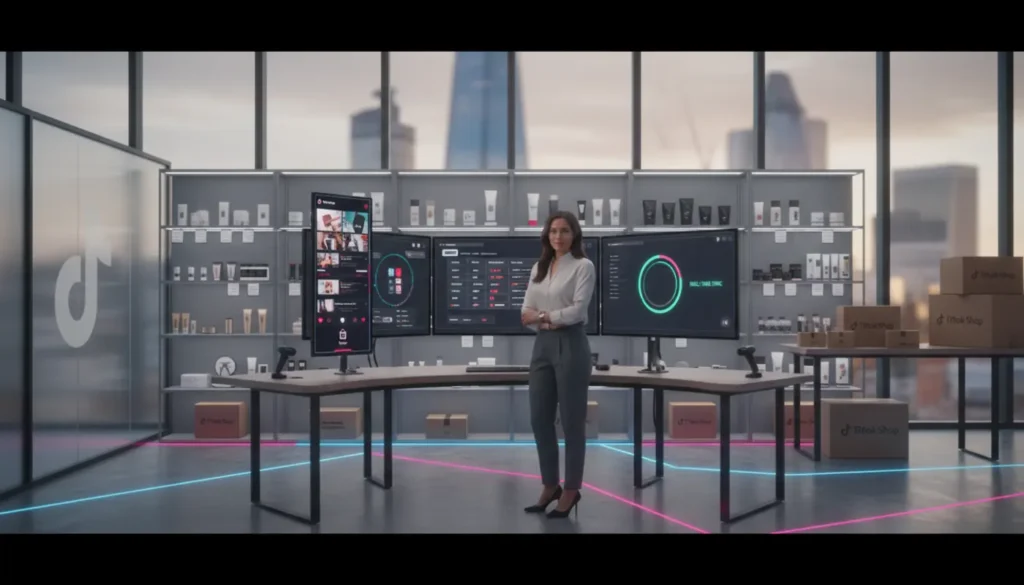
For brands working on fast platforms like TikTok Shop, this becomes even more effective. Teams supported by a TikTok Shop Live Agency often adjust messaging, product visibility, and offers during live sessions to turn interest into sales.
What Is Live Shopping Data In Simple Terms
Live shopping data is the real time stream of actions a customer takes while browsing or buying. It includes clicks, searches, product views, basket activity, and time spent on pages.
Unlike traditional data, which looks at past behaviour, live data happens in the moment. According to Shopify’s guide to real time personalisation, this allows brands to adjust content, recommendations, and offers instantly during a session.
It shifts marketing from guessing to responding.
Why Live Shopping Data Changes How Marketing Works
Traditional marketing often depends on demographics or past actions. While still useful, it can be slow and less accurate. Live data shows intent, and intent drives decisions.
If someone views a product multiple times in minutes, that is a strong signal. If they abandon a basket, it shows hesitation. Acting quickly on these signals leads to better results.
Brands using TikTok Shop growth services often see stronger engagement because their campaigns respond to behaviour, not assumptions.
How To Use Live Shopping Data To Personalise Marketing Effectively
Using live data does not need to be complex. What matters is having a clear and practical approach that turns data into action.
Start With The Right Data Signals
Focus on actions that show real intent. You do not need everything, just the signals that matter most.
- Product views
- Search terms
- Items added to basket
- Time spent on products
- Repeat visits
- Checkout drop offs
- Scrolling and engagement
These give you a clear view of what the customer wants.
Turn Behaviour Into Useful Segments
Data only becomes valuable when it is organised. Group users based on behaviour rather than basic details.
For example, separate high intent buyers from casual browsers. A user adding items multiple times is very different from someone just scrolling.
This step is where many brands fall short. They collect data but do not use it properly.
Trigger Actions In Real Time
Once you understand behaviour, act on it immediately. Focus on signals closest to purchase.
High intent users may respond well to urgency or limited offers. Lower intent users may need reviews, education, or trust signals.
On TikTok Shop, this can mean adjusting what products are shown during a live session. Insights from live selling strategies for UK brands highlight how real time changes can increase conversions.
Practical Ways To Use Live Shopping Data
Applying live data in real situations is where results happen. These are proven use cases that deliver impact.
On Site Personalisation
Live data helps shape what users see instantly. Product recommendations and banners adjust based on behaviour.
If someone is browsing trainers, showing unrelated items reduces relevance. Live data keeps experiences aligned.
Cart And Browse Abandonment
Follow up with users who leave without buying. Use their exact behaviour to create targeted messages.
This works better than generic emails and often leads to quick wins.
Dynamic Offers Based On Intent
Not every user needs a discount. Offering one too early can reduce profit.
Live data helps you time offers properly. High intent users may only need a small push, while others need more persuasion.
Live Shopping Optimisation
During live streams, track engagement and adjust in real time. If certain products gain attention, focus more on them.
This improves both engagement and sales without waiting for post campaign analysis.
Building A Simple Live Data Setup
You do not need complex systems to get started. Keep it simple and focused.
Track Events Clearly
Ensure data is clean and consistent across your platform. Poor data leads to poor decisions.
Unify Customer Data
Combine website behaviour, purchase history, and engagement into one view to understand customers better.
Keep Tools Simple
Start with a reliable analytics tool, a marketing automation system, and a way to trigger actions. Add complexity later if needed.
Balancing Personalisation With Privacy
Personalisation should feel helpful, not intrusive. Using too much data can damage trust.
Be clear about how data is used and give users control. Focus on adding value rather than pushing sales.
How To Measure Personalisation Success
To understand if your approach works, focus on results that matter.
Track conversion rate, average order value, and retention. Compare personalised experiences with standard ones to measure improvement.
Regular testing helps refine your strategy over time.
Common Mistakes To Avoid
- Tracking too much unnecessary data
- Ignoring real time behaviour
- Using discounts too early
- Not testing campaigns
- Having messy data
- Using generic messaging
- Lacking a clear plan
The goal is not more data, but better decisions.
A Simple Roadmap To Get Started
Start with one or two easy use cases like product recommendations or cart recovery.
Once you see results, expand into more advanced tactics such as intent scoring and multi channel personalisation.
Consistency matters more than complexity. Small improvements over time create strong results.
Frequently Asked Questions
What is live shopping data in marketing?
It is real time customer behaviour such as clicks, views, and basket activity used to personalise experiences instantly.
How is live data different from traditional data?
Traditional data focuses on past behaviour, while live data reflects what the user is doing right now.
Do small businesses need advanced tools to use live data?
No, even simple tools can help track behaviour and trigger basic personalisation.
Is personalisation safe for customer privacy?
Yes, if handled properly with clear consent and a focus on user value.
What is the fastest way to see results?
Start with cart abandonment and personalised product recommendations based on live behaviour.