If you’ve ever picked a product because it looked popular on TikTok, you’re not alone. The platform can make almost any item look like a winner, but better sales usually come from research, clear profit margins and content that can be repeated.
The safest way to improve TikTok Shop Product Listing Management sales is to check demand, content potential, profit margin and buyer intent before you list a product or buy stock. A viral video can help, but it should never be the only reason you choose an item.
TikTok Shop product research is a simple decision process. It helps you find products people want, creators can sell naturally and your business can profit from after all costs.
At TSLA Agency London, the aim is to help brands avoid two common problems: choosing products with weak demand and launching without a clear sales plan. A strong TikTok Shop Live Agency can turn research into product listings, creator briefs, live selling ideas and practical growth actions.
Start With TikTok Shop Product Research On TikTok
The best TikTok Shop product research starts on TikTok itself because buyer interest often appears there before it shows in reports. Spend 20 to 30 minutes a day studying your For You feed, TikTok Shop videos, category pages and hashtags such as TikTok Made Me Buy It and TikTok Shop Finds.
Do not only save videos with high views. Look for the same product appearing across different creators, fresh comments, similar hooks and signs that people are still buying now. A product that appeared five times this week is usually more useful than a product that went viral once three months ago.
Keep a simple research sheet with the product name, price range, category, hook style, number of recent videos and comment quality. If you are new to selling, your TikTok Shop setup also matters because product research only works when your store is ready to list, sell and fulfil orders properly.
Score TikTokability Before You Go Deeper
TikTokability means how easy a product is to sell through short video. Some products look useful on a website but do not work well on TikTok because they are hard to show, slow to explain or too plain for the feed.
Give each product one point for each of these traits:
- Clear visual demo
- Obvious problem solved
- Strong wow moment
- Impulse friendly price
- Fast three second hook
- Repeatable content angles
- Simple buyer benefit
A score of four or more is worth deeper research. A score of two or less is usually a warning sign unless you already have a strong brand, trusted reviews or a loyal audience.
Beauty tools, home organisers, pet gadgets and fitness accessories often work well because the before and after is clear. Plain refill products, complex technical items and expensive purchases may still sell, but they need more education, reviews and trust signals.
Validate TikTok Shop Demand With Real Sales Signals
Real TikTok Shop demand is shown by sales signals, not views alone. A funny video can get attention without proving that shoppers are willing to click, add to basket and pay.
Look at recent GMV, which means gross merchandise value. This is the total value of products sold before deductions. Recent GMV growth over the last 7 to 14 days is more useful than lifetime sales because TikTok moves quickly.
You should also check creator activity. If several creators are posting about the same product and some videos are still getting comments and clicks, the market may still be active. If hundreds of affiliates are pushing the same item with tired content, the opportunity may already be crowded.
Ask a simple question: are people actually trying to buy it? Comments such as “where can I buy this?”, “does it ship to the UK?” and “is this safe for sensitive skin?” are stronger than comments that only say the product looks cool.
Protect Your TikTok Shop Margin Before You Choose A Product
A product can look like a winner and still lose money. This often happens when sellers forget platform fees, creator commission, vouchers, shipping, packaging, refunds and returns.
Use a quick margin check before you test. Start with the selling price, then subtract product cost, platform fees, fulfilment, creator commission, discounts and expected returns. If the net margin is below 15 per cent, be careful.
For example, a £19.99 product might look healthy at first. But after a £7 landed cost, £2 fulfilment, 15 per cent creator commission, a voucher and a few returns, the real profit can shrink quickly.
Ask whether the product still makes sense after every cost. Also check practical risk. Is it fragile, bulky, seasonal, restricted, easy to copy or likely to be returned? Official resources such as TikTok Shop Seller University can help you understand seller expectations, policies and platform basics before you list.
Test Content Potential Before Buying Big Stock
Content potential matters because TikTok Shop sales depend on more than the product itself. You need enough fresh angles to keep videos, creator posts and live selling from becoming repetitive.
Before ordering stock, write 30 video ideas for the product. If you struggle to reach 10, the product may not have enough content depth. That does not mean it cannot sell, but it may be harder to scale through organic videos, creator posts or live shopping.
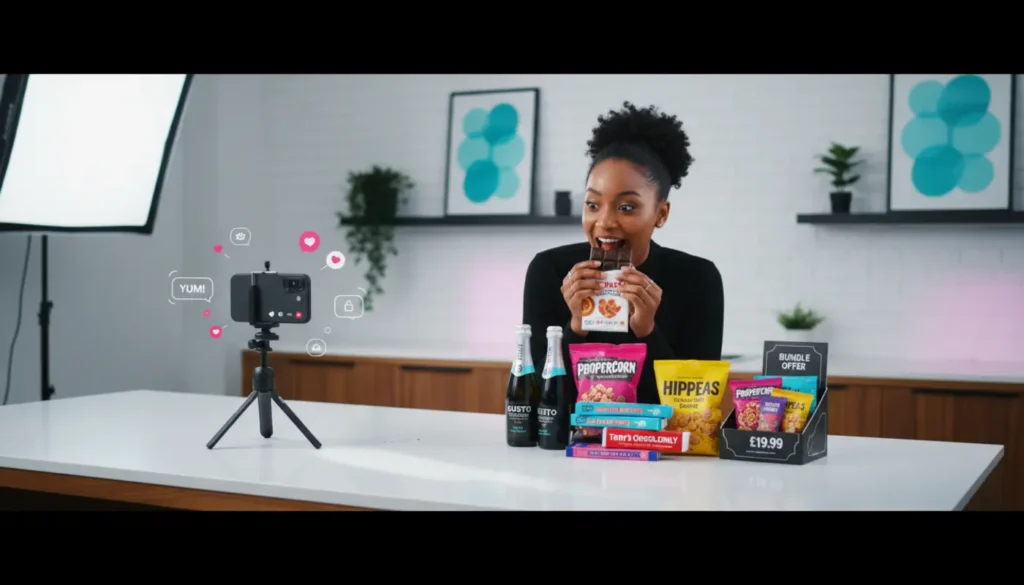
Good content angles include problem and solution, unboxing, comparison, reaction, common mistake, myth busting, routine, gift idea, live demo and customer review. Short video product marketing works best when the viewer understands the value quickly.
Before you put money into stock, make the product prove itself. TikTok rewards speed, but your cash flow still needs discipline.
Use TikTok Comments To Read Buyer Intent
TikTok comments can show buyer intent because people often ask questions before they buy. They tell you what shoppers are confused about, excited by and worried about.
Do not treat every positive comment as demand. A comment like “that looks cool” is nice, but it is not the same as “where can I buy this?”, “does it ship to the UK?” or “is this safe for sensitive skin?”
Look for questions about price, delivery, sizing, ingredients, stock, bundles and how to use the product. These are buying signals. They also give you useful wording for product descriptions, pinned comments, creator briefs and live selling scripts.
If many comments repeat the same concern, fix it before launch. For example, if shoppers keep asking whether a beauty product suits sensitive skin, your listing, video and creator brief should answer that clearly. If buyers keep asking about delivery times, make fulfilment clear and realistic.
Watch TikTok Creator Behaviour, Not Just Claims
Creator behaviour is useful for product research because repeat posting often says more than a trend claim. Watch what creators keep selling, not just what they say is popular.
Follow 20 to 30 creators in your category and track the products they mention again and again. If a creator posts once and moves on, the product may have underperformed. If several creators return to the same item with new hooks, it often means there is sales potential.
Pay attention to content variety as well. A product that can be sold through demos, reviews, tutorials, gift content and live selling is more valuable than one that only works with a single viral hook.
Good creators do more than make content. They help prove whether your product has real market pull because they can test hooks, answer questions and show the product in a way shoppers understand.
Run A Low Risk TikTok Shop Product Test
A low risk product test helps you learn quickly without tying up too much cash. Once a product passes your research checks, test it with discipline instead of ordering thousands of units because one video looked promising.
For many UK sellers, 50 to 100 units is enough to see whether a product has traction. You can also run a limited creator push or a short live selling test before making a bigger stock decision.
Run the test for two to three weeks and track views, click through rate, conversion rate, GMV, refund rate and creator performance. Click through rate means the percentage of viewers who click from the content to the product page. Conversion rate means the percentage of visitors who buy.
Use a simple decision framework:
- Promote if the product beats your normal account averages and creates sales at a healthy margin.
- Pivot if the product gets attention but weak conversion because the hook, price or listing may need work.
- Pause if engagement, clicks and sales are all poor.
This is where many sellers lose money. They keep forcing a weak product because they have already bought stock. Street smart selling means cutting slow movers early and moving budget towards products with proof.
Build A Repeatable TikTok Shop Research Checklist
A repeatable TikTok Shop research checklist helps you avoid guessing. The real win is not finding one lucky product. It is building a system you can use every week, across categories and through seasonal changes.
Your checklist should cover seven areas:
- Trend spotting
- TikTokability
- Recent demand
- Competition
- Margin
- Comment intent
- Test results
Score every idea the same way so you are not making decisions based on pressure, mood or one loud video.
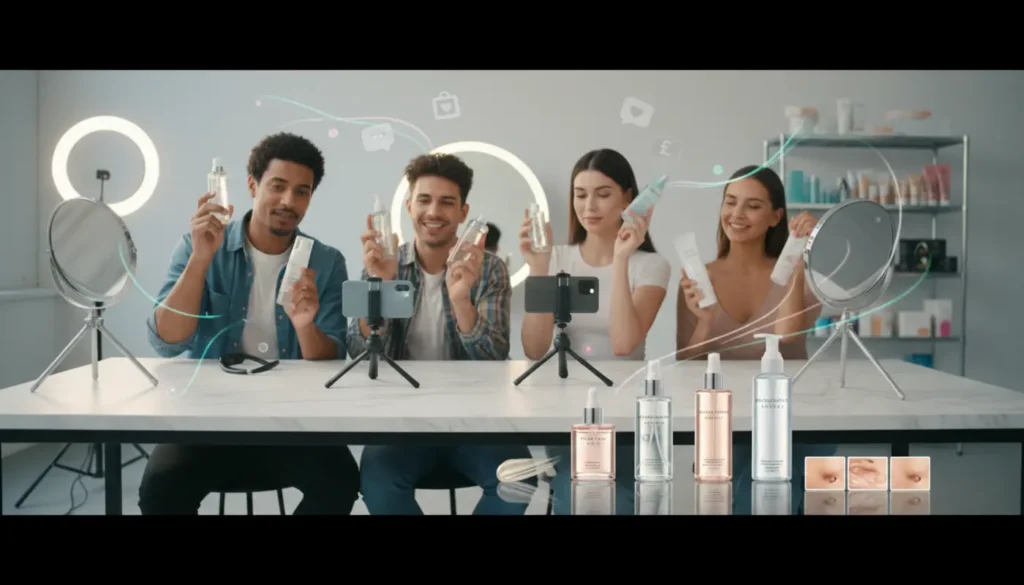
Also add category notes. Beauty needs trust, ingredients and visible results. Homeware needs strong demonstration and clear use cases. Gadgets need simple explanations and low frustration. Fashion needs fit, styling, creator confidence and returns control.
If you plan to scale into TikTok Live, product choice becomes even more important. Items need to be easy to explain on camera, simple to show again and again, and strong enough to hold attention during a live show. A TikTok Shop Live Agency can help turn winning products into live scripts, bundles, offers and daily selling routines.
Common Mistakes That Hurt TikTok Shop Sales
Common TikTok Shop sales mistakes usually come from chasing hype without checking the numbers. The biggest mistake is chasing virality without checking profit. The second is copying a best seller after the market has already become crowded.
Another common issue is ignoring the listing. Even if your product is good, weak titles, poor images, unclear descriptions and slow delivery can kill conversion after the click. Research should lead into a stronger product page, not stop at the idea stage.
Do not assume paid ads can rescue a weak product. Ads usually multiply what is already happening. If content, margin and buyer intent are poor, paid spend often exposes the problem faster.
Before you choose your next TikTok Shop product, check three things first: can people understand it quickly, can creators sell it naturally and can you still make profit after every cost? If the answer is yes, test small, track properly and scale only when the numbers prove it.
Frequently Asked Questions
What Is TikTok Shop Product Research?
TikTok Shop product research is the process of checking whether a product has demand, content potential, enough margin and real buyer intent before you list it or buy stock.
How Do I Find Winning Products On TikTok Shop?
Look for repeated products, rising recent sales, active creator posts, strong comments and clear visual demos. Then test with small stock before scaling.
What Margin Should I Aim For On TikTok Shop?
Aim for at least 15 per cent net margin after fees, commission, discounts, fulfilment and likely returns. Higher is better if you plan to use creators or paid ads.
How Long Should I Test A Product Before Scaling?
Most sellers can learn a lot in two to three weeks if they track views, clicks, conversion, GMV and refund rate properly.
Can TSLA Help With Product Research And Sales Growth?
Yes. TSLA supports TikTok Shop strategy, creator activity, content, live selling and managed growth so brands can make smarter product decisions and scale with more control.